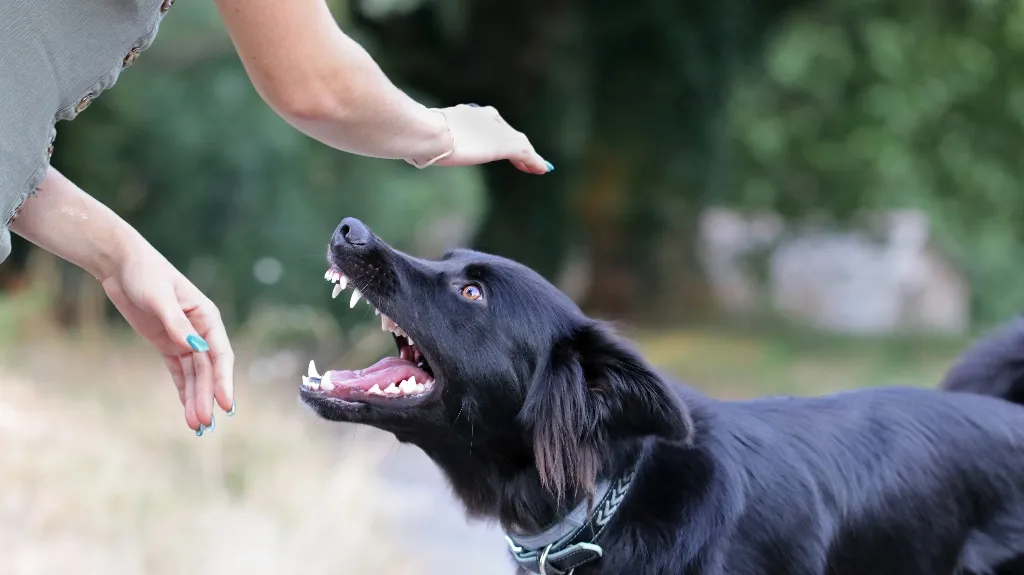
The Fifth District Court of Appeals at Dallas recently delivered a critical ruling in Ernest Latcher v. Caroline D. Edwards, a case that underscores the high burden of proof required for animal attack victims in Texas. This decision serves as a vital reminder that winning a trial is only half the battle; sustaining that judgment on appeal requires a rock-solid foundation of evidence regarding foreseeability.
Understanding the “One-Bite Rule” and Negligence in Texas
Texas is unique in its approach to animal liability. Unlike “strict liability” states where an owner is responsible regardless of the dog’s history, Texas generally follows a version of the “One-Bite Rule”. To recover damages, a plaintiff must typically prove either:
- Strict Liability: The owner knew the dog had a history of aggression or had bitten someone before.
- Negligent Handling: The owner failed to exercise reasonable care to prevent the animal from causing a foreseeable injury.
In the Dallas case of Latcher v. Edwards, the victim was walking with headphones on when she was suddenly knocked over by a 60-pound Labrador mix named Winston. Winston had escaped through a side gate that had been left open unbeknownst to the owner. While a jury initially awarded the victim $35,914.14 in damages, the Court of Appeals recently reversed this decision.
The Fatal Flaw: The Foreseeability Gap
The appellate court found the evidence was “legally insufficient” to prove negligence. Under Texas law, a successful negligent handling claim requires four elements:
- Ownership: The defendant owned or possessed the animal.
- Duty: The owner owed a duty to exercise reasonable care.
- Breach: The owner failed to meet that duty.
- Proximate Cause: The breach was the “cause in fact” and the injury was foreseeable.
In this case, the court ruled that the injury was not foreseeable. There was no evidence that Winston had ever escaped before, nor had he ever jumped on or startled anyone in the past. Without a history of similar behavior, a “person of ordinary intelligence” could not have anticipated the danger.
What It Takes to Sustain a Dog Bite Judgment
To ensure a judgment stands up to the scrutiny of a Dallas appellate court, your legal team must go beyond proving the attack happened. At Guest and Gray, our personal injury team focuses on building a “foreseeability” trail through:
- Witness Testimony: Gathering accounts of prior aggressive behavior, even if no bite occurred.
- Animal Control Records: Checking for prior citations or reports that put the owner on notice.
- Local Ordinance Violations: Proving “negligence per se” if the owner violated specific Dallas or Kaufman County leash laws.
If you or a loved one has been injured in a dog attack, you need a firm that understands the nuances of the Fifth District Court of Appeals. We represent victims in Kaufman, Dallas, and surrounding counties with over 30 years of combined experience.
North Texas dog attack and the “One-Bite” rule
This video provides a real-world example of how prior incidents of aggression play a role in establishing owner liability and the legal “notice” required in Texas animal attack cases.